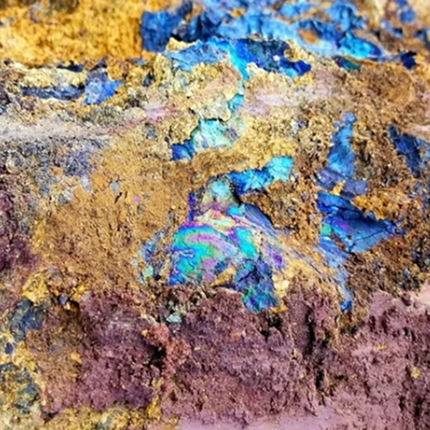
Nickel Cut Cathodes are full nickel plates that have been mechanically cut into smaller, uniform pieces — typically 4×4 inches (100×100 mm) — for easier handling, melting, and dosing in production. They retain the same minimum 99.80% purity and meet the ASTM B39-79 LME standard. Cut cathodes are highly preferred by smaller foundries and alloy producers who need precise feedstock quantities for furnace charging. Their consistent size and weight make them ideal for automated melting operations and accurate alloy formulation....
APPLICATIONS
The largest application of nickel is in stainless steel production, where it enhances corrosion resistance, ductility, and weldability. Stainless steel containing nickel is used in kitchen equipment, construction materials, medical instruments, and industrial machinery, making it durable and reliable in harsh environments. Nickel also strengthens alloy steels, which are essential for military, construction, and heavy machinery applications.
Nickel alloys are critical in aerospace, defense, and power generation due to their ability to withstand extreme temperatures and mechanical stress. Components like turbine blades, jet engine parts, and spacecraft fasteners rely on nickel-based superalloys for structural integrity and long-term performance. These alloys are also used in chemical and petrochemical industries, including reactors, heat exchangers, and pipelines, because of their resistance to corrosion from acids, alkalis, and high-temperature gases.
Nickel is a key component in rechargeable batteries, such as nickel-cadmium (NiCd), nickel-metal hydride (NiMH), and lithium-ion batteries, which power electric vehicles, portable electronics, and renewable energy storage systems. Its electrical conductivity also makes it valuable in electronic connectors, lead wires, and multi-layer ceramic capacitors.
Nickel's corrosion resistance makes it indispensable in chemical processing, oil and gas, and marine environments. Nickel alloys are used in pipelines, valves, and industrial machinery that must endure caustic solutions, saltwater, and high-temperature gases. These applications reduce maintenance costs and extend equipment lifespan.
Nickel is widely used for electroplating, providing corrosion resistance, wear resistance, and decorative finishes on metals. Its biocompatibility allows use in medical instruments and devices, including surgical tools and implants.
In chemical industries, nickel acts as a catalyst in processes like hydrogenation of unsaturated hydrocarbons and hydrodesulfurization of fossil fuels, improving efficiency and product quality.