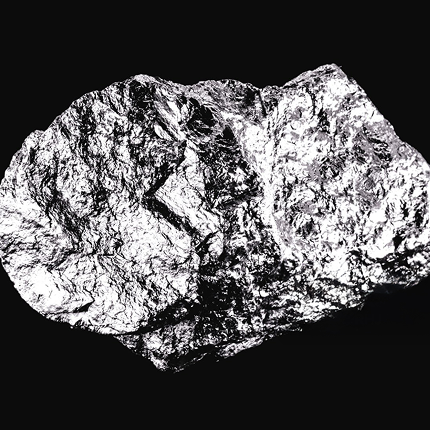
Rhodium Sponge is a porous, high-purity form of rhodium metal (≥ 99.95% Rh) produced through chemical reduction processes. Its sponge-like structure provides high surface area and excellent reactivity, making it ideal for catalyst manufacturing and chemical processing applications. Rhodium sponge is the primary feedstock for automotive catalytic converters — which consume about 80% of global rhodium production. It is also used in chemical catalysis (acetic acid and nitric acid production), electrical contacts, jewelry plating, and specialized scientific equipment....
APPLICATIONS
Rhodium is a critical component in three-way catalytic converters, which reduce harmful vehicle emissions by converting carbon monoxide, hydrocarbons, and nitrogen oxides into less toxic gases. This application consumes about 80% of global rhodium production, highlighting its importance in environmental protection and regulatory compliance in the automotive sector.
Rhodium serves as a catalyst in chemical processes, including the production of acetic acid, nitric acid, and hydrogenation reactions. Its ability to facilitate reactions efficiently while remaining chemically inert makes it indispensable in industrial chemistry, particularly for synthesizing pharmaceuticals and other high-value chemicals.
Rhodium's corrosion resistance and high reflectivity make it suitable for electrical contacts, mirrors, and reflectors in scientific instruments, cinema projectors, and searchlights. It is also used in high-temperature furnace windings and as a surfacing material for specialized equipment.
Rhodium complexes are increasingly explored in organic synthesis, asymmetric hydrogenation, and metal-organic frameworks, as well as in biological and medicinal research for enzyme inhibition and antitumor studies. Its versatility in forming stable complexes under various oxidation states (+1, +2, +3) allows for innovative applications in chemistry and materials science.
Due to its high reflectivity and corrosion resistance, rhodium is widely used to plate white gold, platinum, and sterling silver, enhancing shine and preventing tarnishing. This application leverages rhodium's durability and aesthetic appeal, making it a standard in fine jewelry.